





Jump to Section

- What Is Myopia?
- Why Managing Myopia Matters
- Real Patients. Real Reviews.
- Atropine Eye Drops For Myopia Control
- Myopia-controlling Multifocal Contact Lenses
- Atropine Vs Multifocal Contacts
- Lifestyle Measures That Support Myopia Management
- Follow-up And Adjustments
- Myopia Management Faqs
- Our Providers
Myopia, also known as nearsightedness, is one of the most common vision problems today. While wearing glasses or contact lenses can provide clear vision, they do not address the underlying progression of myopia. Without proper myopia management, a prescription may continue to worsen, raising the risk of serious eye problems later in life. At Nielsen Eye Center, our experienced eye doctor, Dr. Linsky, offers proven treatment options such to help slow myopia progression and protect long-term eye health.
What Is Myopia?
Myopia, also called nearsightedness, is one of the most common vision problems in both children and adults. A myopic eye struggles to focus on distant objects, making them appear blurry while near work such as reading often remains clear. This happens because the eye grows too long, causing light to focus in front of the retina instead of directly on it. Children with myopia may complain of blurred distance vision, difficulty seeing the board at school, or needing to wear glasses to achieve clear vision.
Why Managing Myopia Matters
Uncontrolled myopia progression can increase the risk of eye diseases later in life, such as glaucoma, cataracts, and retinal detachment; high myopia also raises the chance of permanent visual impairment. Since childhood myopia often develops quickly, taking action early can help slow myopia progression and protect long-term eye health.
Real patients. Real reviews.

Real patients. Real reviews.
YOUR VISION IS OUR MISSION
Was super nervous as I’ve never been to an eye doctor before. Staff were all so patient and kind. Doctor was very professional and knowledgeable.
Real patients. Real reviews.
YOUR VISION IS OUR MISSION
I received a prompt appointment at a day and time that was best for me to coincide with my wife’s nearby appointment at South Shore Medical. I sent through my battery of tests with a technician and had my eyes dilated. The drops they use are much more comfortable than at other places. And then the Dr. examined me. Everyone was very nice and explained things clearly. I’m looking forward to my new tuned up lenses!
Real patients. Real reviews.
YOUR VISION IS OUR MISSION
Great communication and very thorough during my eye exam.


Atropine Eye Drops for Myopia Control
One of the most effective treatment options for reducing myopia progression is the use of low-dose atropine eye drops; daily use can slow abnormal eye growth that drives the progression of myopia. While not a form of vision correction on their own, these drops are often prescribed in conjunction with glasses or contact lenses to maintain clear vision while controlling progression.
Myopia-Controlling Multifocal Contact Lenses
In addition to drops, certain soft contact lenses are specially designed for myopia control. These multifocal contact lenses alter how light focuses on the cornea and retina, thereby reducing the stimulus for abnormal eye growth. For patients who prefer not to wear glasses every day, these lenses offer both correction and treatment.
Atropine vs Multifocal Contacts
Both atropine eye drops and myopia-controlling soft contact lenses are considered effective treatments according to clinical management guidelines reports. Choosing between these depends on your child’s myopia, lifestyle, and comfort level with lens wear. In some cases, a combination approach may provide the best results.
Lifestyle Measures That Support Myopia Management
Beyond medical treatment options, addressing environmental factors is a crucial part of comprehensive care. Spending too much time on digital devices or doing close-up work for an extended period has been linked to worsening progression of myopia. Encourage children to take breaks, limit screen time, and spend more outdoor time in natural light.
Follow-Up and Adjustments
Myopia management requires ongoing monitoring by an eye doctor. During a comprehensive eye exam, Dr. Linsky may measure axial length, assess changes in prescription, and check the health of the cornea and retina.
Regular visits enable adjustments to treatment options and help ensure that patients maintain clear vision, while also reducing their long-term risk of serious eye problems. Schedule a comprehensive eye exam at Nielsen Eye Center today to learn more about effective myopia management options and how we can help slow myopia progression.
Myopia Management FAQs
What is myopia management, and how does it differ from standard vision correction?
What treatment options are available to slow myopia progression?
Who is a good candidate for myopia management treatments?
Are there side effects or risks to myopia management therapies?
How often should my child return for myopia management follow-up visits?
What is the main cause of myopia (nearsightedness)?
Why is myopia management so important for children?
Who is a candidate for myopia management at Nielsen Eye Center?
What treatments are used to manage myopia?
How often are follow-ups needed?
Can lifestyle changes help slow nearsightedness?
OUR PROVIDERS
Our team of eye doctors includes some of the foremost experts in laser vision correction and eye surgery in the greater Boston area. We look forward to helping you maintain healthy and clear vision for years to come. Learn more about our leading providers and the high level of service you can expect at the Nielsen Eye Center.
MEET OUR TEAM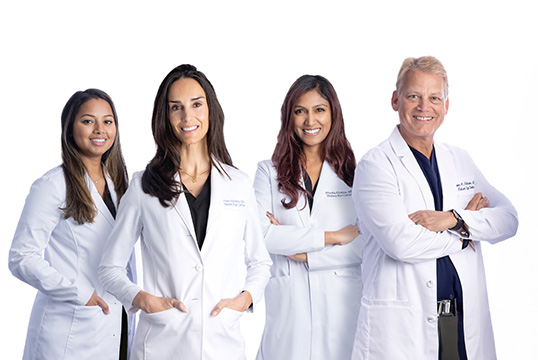
DISCOVER OUR CONVENIENT
LOCATIONS NEAR BOSTON, MA
Schedule your appointment today at one of our four convenient offices situated on the South Shore. Serving the greater Boston area, our locations in Quincy, Weymouth, Norwell, and Norwood are here to provide exceptional eye care tailored to your needs.
This article is provided for general informational and educational purposes only and does not constitute medical advice. It is not intended to diagnose, treat, cure, or prevent any condition, and should not be used as a substitute for a consultation with a qualified physician. Individual results, candidacy, and outcomes vary from patient to patient, and no specific result is guaranteed. Reading or interacting with this content does not create a physician-patient relationship with Nielsen Eye Center or any of its physicians. If you are experiencing a medical emergency, call 911 or seek care at your nearest Emergency department.
Statements regarding patient satisfaction, visual outcomes, or recovery timelines reflect general trends reported by our practice and/or published clinical literature and are not a guarantee of results for any individual patient. Outcomes depend on each patient’s unique anatomy, health history, and adherence to post-procedure care, and will be discussed in detail during a personalized consultation.
Ready to Experience Clearer Vision?
Discover the life-changing benefits of LASIK at Nielsen Eye Center. Our experienced surgeons are ready to guide you through your journey to clearer vision.
Schedule Your Consultation
