





Jump to Section

- What Is Laser Cataract Surgery?
- Am I A Good Candidate For Laser Cataract Surgery?
- Lasik Self-test & Lasik Pricing
- How Does Laser Cataract Surgery Work?
- Real Patients. Real Reviews.
- The Benefits Of Lensx® Laser Cataract Removal
- Featured Videos
- Request A Laser Cataract Surgery Consultation
- Frequently Asked Questions
- Our Providers
- Related Blog
Cataracts are a clouding of the natural lens of the eye, leading to eventual vision loss if not treated. The best treatment option for cataracts is surgery, and laser technologies have made cataract surgery more advanced than ever. The Nielsen Eye Center is proud to offer our patients the most up-to-date technology in laser cataract surgery and premium lenses, providing better results than manual cataract surgery.
What is Laser Cataract Surgery?
Laser cataract surgery allows each patient the opportunity for a customized surgical procedure that is not always possible with traditional cataract surgery. Everyone’s eyes are different – the size, depth, and curvature of the cornea vary significantly in each person. This laser technology enables our eye doctors to capture precise, high-resolution images of the eye, along with incredibly accurate measurements and data. This information can then be used to customize your cataract surgery according to your needs.
Am I A Good Candidate for Laser Cataract Surgery?
You may be a good candidate for laser-assisted cataract surgery if you have cataracts that affect your daily life, especially if they are creating a cloudy natural lens. Cataracts are not always immediately treated, especially if they’re not significantly impacting your vision. However, your eye doctor may recommend cataract surgery when you can no longer see clearly or have dense cataracts. Additionally, you may be a good candidate for this treatment if:
- You’re in overall good health
- You don’t have glaucoma, advanced retinopathy, or diabetes
Our eye doctors will discuss the unique aspects of your candidacy during a consultation.
LASIK SELF-TEST
CATARACT SELF-TEST
How Does Laser Cataract Surgery Work?
The goal of cataract surgery is to break up and remove the cataract, replacing the natural lens of the eye with an implantable intraocular lens (IOL) or intraocular lens implant. This replacement lens can be customized to your needs. To start, your doctor will use the laser to create an opening in the lens capsule. They will then use the laser to break up the cataract and then insert the replacement artificial lens.
In full, the procedure takes about 15 minutes. This produces a great, long-term result that can also treat a variety of other vision problems at the same time. This procedure is quick, easy, and produces clear vision right away.
Real patients. Real reviews.

Real patients. Real reviews.
YOUR VISION IS OUR MISSION
Dr. Khanna is awesome….very thorough and reassuring. Very knowledgeable …. answers all your questions. Would highly recommend Dr. Khanna.
Real patients. Real reviews.
YOUR VISION IS OUR MISSION
I’m always thrilled to see Dr. Moreira! She is kind, thorough and knowledgeable. I highly recommend her.
Real patients. Real reviews.
YOUR VISION IS OUR MISSION
Dr Nielson and his staff were very professional and made it comfortable to have cataracts surgery. I was having so much trouble seeing even with my glasses on. and One week after getting the second eye done, I think I have 20/20 vision. People are shocked to see me without glasses and the colors of the world have come back to life. Everything is vivid and colorful. I’m so grateful for Dr Nielsen and his team! Highly recommend. Peter Zografos


The Benefits of LenSx® Laser Cataract Removal
The LenSx® Laser provides real-time, 3D visualization of the eye during cataract surgery. This allows the cataract surgeon to precisely plan and customize each surgical step. This advanced visualization of the eye allows the laser to create all surgical incisions based on your eye measurements without the use of blades or scalpels. It’s much more precise than conventional cataract surgery.
In addition to increased precision and delivering the highest quality vision, the LenSx® laser also breaks the cataract up into small, soft pieces. This allows the surgeon to use less energy when removing the cataract. This, in turn, allows for faster recovery of vision, resulting in less inflammation and swelling in the eye after surgery.
Astigmatism correction can also be done using the LenSx® laser procedure, which enables the surgeon to provide patients with the best quality vision after cataract surgery. Some patients are even able to get rid of the need for glasses using the LenSx® laser and other technologies such as multifocal, extended depth of focus, and toric intraocular lenses. The procedure corrects astigmatism and other refractive eye disorders.
Featured Videos
Video libraryRequest a Laser Cataract Surgery Consultation
If you would like to learn more about LenSx® laser cataract surgery or would like to set up an appointment with one of our skilled eye surgeons, please contact our practice today! We serve the greater Quincy, MA, and Boston areas with high-quality, advanced vision care. Book your appointment now to explore vision improvement options, or fill out our online contact form if you have any questions or would like more information.
Frequently Asked Questions
Are you put under anesthesia for cataract surgery?
How do you know when its time to get cataract surgery?
How long does it take to recover from cataract surgery?
Is there any reason to delay cataract surgery?
Can a cataract be removed too early?
Can I eat before a cataract operation?
How do you wash your face after cataract surgery?
What is the average age for cataract surgery?
Are you sitting or lying down during cataract surgery?
At what stage should cataracts be removed?
Can I wear my old glasses after cataract surgery?
Can you watch TV after cataract surgery?
Do you feel anything during cataract surgery?
How long do I need to wear dark glasses outside after cataract surgery?
What are the side effects of cataract surgery?
Can you have cataract surgery in one eye only?
Can you wait too long to have cataract surgery?
What should I avoid after cataract surgery?
How successful is cataract surgery?
How long does cataract surgery take?
Can both eyes have cataract surgery at the same time?
How soon can I drive after cataract surgery?
Is cataract surgery painful?
How does laser cataract surgery improve vision quality?
Who is a good candidate for laser cataract surgery?
What are the key benefits of the laser-assisted approach?
Is the recovery faster after laser cataract surgery?
How accurate is laser cataract surgery?
OUR PROVIDERS
Our team of eye doctors includes some of the foremost experts in laser vision correction and eye surgery in the greater Boston area. We look forward to helping you maintain healthy and clear vision for years to come. Learn more about our leading providers and the high level of service you can expect at the Nielsen Eye Center.
MEET OUR TEAM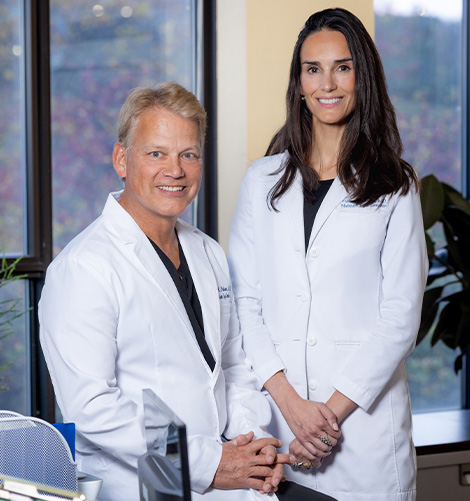
DISCOVER OUR CONVENIENT
LOCATIONS NEAR BOSTON, MA
Schedule your appointment today at one of our four convenient offices situated on the South Shore. Serving the greater Boston area, our locations in Quincy, Weymouth, Norwell, and Norwood are here to provide exceptional eye care tailored to your needs.

Ready to Experience Clearer Vision?
Discover the life-changing benefits of LASIK at Nielsen Eye Center. Our experienced surgeons are ready to guide you through your journey to clearer vision.
Schedule Your Consultation
