

Life After LASIK: What to Expect During Recoveryin Boston, MA

By the Nielsen Eye Center Team
One of the most common things we hear during consultations at Nielsen Eye Center isn’t “Will it work?” – it’s “What is the recovery like?”
It is normal to have questions about the days and weeks following laser vision correction. While LASIK is a quick procedure, the healing process is a journey.
To help you prepare, our surgical team has answered the most pressing questions about life after LASIK, from managing dry eyes in the New England climate to getting back on the road at night.
How can I manage dry eye symptoms after LASIK?
Dryness is the most common temporary side effect of LASIK, caused by the interruption of the corneal nerves during surgery. Living in Massachusetts, where winters are dry and heaters are blasting, can make this more noticeable.
- Lubricate Often: We recommend using preservative-free artificial tears frequently—even if your eyes don’t “feel” dry. Think of it as “lotion for your eyes.”
- Digital Breaks: We blink less when looking at screens. Follow the 20-20-20 rule (every 20 minutes, look 20 feet away for 20 seconds).
- Hydrate: Drinking plenty of water helps maintain moisture levels in your tear film.
If symptoms persist, our team offers advanced dry eye treatments right here in our offices.
What lifestyle changes should I make before and after LASIK?
Preparation is key to a smooth surgery day.
- Before Surgery: You must stop wearing contact lenses for a specific period (usually 1-2 weeks for soft lenses) to allow your cornea to return to its natural shape. Also, avoid eye makeup and lotions on the day of surgery to minimize infection risk.
- After Surgery:
- The “Shields”: You will wear protective eye shields while sleeping for the first few nights to prevent rubbing your eyes.
- Water Safety: Avoid getting water directly in your eyes (no swimming or hot tubs) for at least a week to prevent infection.
- Rest: Plan to take it easy for 24 hours. Most patients are back to their normal routine the very next day.
Does LASIK affect night driving?
It is common to experience “halos” or “starbursts” around streetlights or headlights immediately after surgery. This happens as your cornea heals and any swelling subsides.
- The Timeline: For most patients, this improves significantly within the first few weeks.
- Safety First: If you don’t feel comfortable driving at night during the first week, ask a friend or family member to drive.
- Glare Tip: Wear sunglasses during the day. Protecting your eyes from bright sunlight during the day can actually help reduce light sensitivity at night.
Can LASIK prevent future vision changes?
We want to be clear: LASIK is permanent, but it doesn’t stop the clock on aging. The procedure permanently reshapes your cornea to correct your current prescription. However, it cannot prevent Presbyopia (the natural loss of reading vision that hits almost everyone in their 40s) or Cataracts (which develop later in life).
The good news? If you had LASIK in your 20s or 30s, you can still have reading vision correction or cataract surgery later in life.
What signs of complications should I watch for?
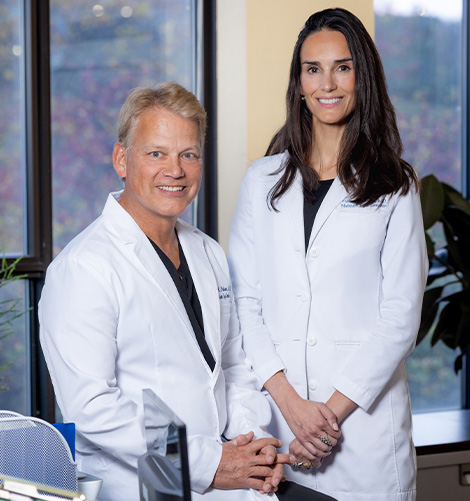
While complications are rare – especially with experienced, high-volume surgeons like Dr. Steven Nielsen and Dr. Helen Moreira – we believe an informed patient is a safe patient. Call us immediately if you experience:
- Sudden, significant decrease in vision.
- Unusual discharge or extreme redness.
- Severe pain (mild scratchiness is normal; pain is not).
Our team is on standby to ensure your healing is safe and successful.
Ready to start your journey?
Don’t let the fear of recovery hold you back from a life without lenses.
- Take Our Free LASIK Self-Test: See if you are a candidate.
- Schedule a Consultation: Get your questions answered by our experts in Quincy, Norwell, or Norwood.
Frequently Asked Questions
Most patients experience significantly improved vision within 24 hours. However, some fluctuation or mild blurriness can persist for a few weeks as the eyes stabilize. This is a normal part of the healing process.
We typically recommend waiting at least one week before wearing eye makeup (mascara, eyeliner, shadow). When you do start again, we suggest buying new products to avoid introducing old bacteria to the healing eye.
Yes, but in moderation. You can use your phone or watch TV on the day of surgery, but your eyes may feel tired or sensitive to light. We recommend resting your eyes as much as possible for the first 24 hours to speed up recovery.
Medical Disclaimer
The information provided on this blog and website is for educational and informational purposes only and does not constitute medical advice, diagnosis, or treatment. Reading this content does not establish a doctor-patient relationship with Dr. Helen Moreira, Dr. Steven Nielsen, or any provider at Nielsen Eye Center. Always seek the advice of your physician or qualified eye care provider with any questions regarding a medical condition or surgical procedure. Never disregard professional medical advice or delay in seeking it because of something you have read on this website. Individual results for LASIK, cataract surgery, and other procedures may vary and are not guaranteed.