

Living with Cataracts: Safety Tips (And When to Stop Waiting)in Boston, MA

By the Nielsen Eye Center Team
For many patients, cataracts don’t happen overnight. It is a slow fade. You might first notice that driving at night feels a bit more stressful, or that you need brighter light to read the morning paper.
At Nielsen Eye Center, we understand that the period between diagnosis and surgery can be frustrating.
If you are currently “waiting and watching” your cataracts, our team has compiled practical strategies to keep you safe and comfortable. However, it is also important to recognize when “coping” is no longer enough and it’s time to restore your sight.
1. Combat the Glare (especially on Route 3)
One of the most common complaints we hear from patients in Quincy and Weymouth is glare sensitivity. Cataracts scatter light entering the eye, turning oncoming headlights or bright sunlight into blinding “halos.”
- The Fix: Invest in high-quality polarized sunglasses for daytime driving. Polarization cuts through the glare bouncing off wet roads or snow.
- The Adjustment: If you struggle with night driving, don’t push it. Rely on family or ride-shares for evening trips until your vision is restored.
2. “Fall-Proof” Your Home
Cataracts effectively lower the contrast of your vision, making it harder to see the edge of a carpet or a step. For seniors, this increases the risk of falls.
- The Fix: Improve the lighting in your hallways and stairwells. Swap out “soft white” bulbs for “daylight” or “cool white” LED bulbs, which provide higher contrast.
- The Adjustment: Remove throw rugs and clutter from walkways.
3. Upgrade Your Reading Tools
If you find yourself holding menus at arm’s length or squinting at your phone, your cataracts are likely hardening.
- The Fix: While you wait for surgery, electronic reading aids (like tablets or Kindles) are excellent because you can increase the font size and backlighting contrast.
The Pivot: Coping vs. Curing
While these tips help manage symptoms, the reality is that cataracts do not get better on their own. They will continue to cloud your vision over time.
Many patients wait until their vision is “bad enough” to act. But at Nielsen Eye Center, we often ask: Why wait to see clearly again?
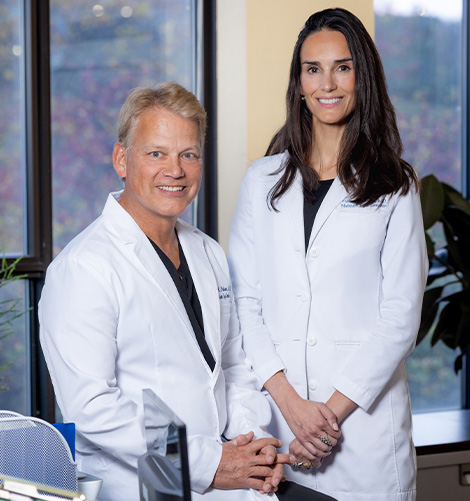
Modern cataract surgery is one of the safest and most successful procedures in medicine. Our surgeons, including Dr. Steven Nielsen and Dr. Helen Moreira, utilize advanced laser technology and premium lens implants (IOLs) that can not only remove the cataract but also correct astigmatism and presbyopia.
When to Schedule Your Evaluation
If you find yourself skipping activities you love—like reading, sewing, or driving to visit grandkids—because of your vision, it is time to stop coping and start living.
At our comprehensive Cataract Center, we create a personalized surgical plan tailored to your lifestyle.
Take the Next Step
Don’t let cloudy vision dictate your life.
- Schedule a Cataract Evaluation: Visit us in Quincy, Norwell, Norwood, or Weymouth.
- Learn Your Options: Ask about our advanced lens options that may reduce your need for glasses after surgery.
Frequently Asked Questions about Cataracts
In most cases, waiting does not harm the eye permanently, but it does increase the risk of accidents, falls, and difficulty driving. Additionally, as cataracts become very dense over many years, the surgery can become more complex. We recommend an evaluation as soon as your vision impacts your daily life.
No. Once a cataract is removed, it cannot return. However, sometimes the membrane behind the new lens implant can become cloudy months or years later. This is called a “secondary cataract” and is easily fixed with a quick, painless laser procedure right here in our office.
Yes, Medicare and most private insurance plans typically cover standard cataract surgery. At Nielsen Eye Center, we also offer advanced technology packages (like laser-assisted surgery and multifocal lenses) that may have out-of-pocket costs but offer greater freedom from glasses.
Medical Disclaimer
The information provided on this blog and website is for educational and informational purposes only and does not constitute medical advice, diagnosis, or treatment. Reading this content does not establish a doctor-patient relationship with Dr. Helen Moreira, Dr. Steven Nielsen, or any provider at Nielsen Eye Center. Always seek the advice of your physician or qualified eye care provider with any questions regarding a medical condition or surgical procedure. Never disregard professional medical advice or delay in seeking it because of something you have read on this website. Individual results for LASIK, cataract surgery, and other procedures may vary and are not guaranteed.