

Is Your Child’s Vision Getting Worse Every Year? A Guide to Myopia Managementin Boston, MA

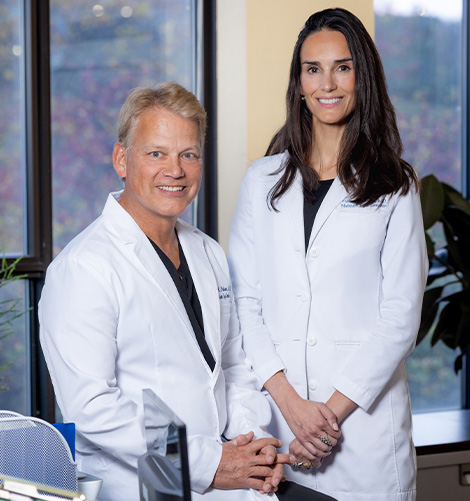
By the Nielsen Eye Center Team
If you have noticed your child squinting at the whiteboard or holding their iPad closer to their face, you aren’t alone. Nearsightedness (myopia) is on the rise among children in Massachusetts, largely driven by increased screen time and less time spent outdoors.
For many parents, the routine is frustrating: every year, the eye doctor says the prescription has gotten stronger, and the glasses get thicker.
But what if you could actually slow down that progression?
At Nielsen Eye Center, we don’t just correct your child’s vision for today; we help protect their eye health for the future through Myopia Management.

What is Myopia Management?
Think of standard glasses or contacts as a “band-aid”—they fix the symptom (blurry distance vision) but don’t stop the underlying cause.
Myopia Management is different. It is a proactive treatment designed to slow the physical elongation (lengthening) of the eye. By controlling this growth during your child’s critical development years (ages 5–16), we can potentially prevent them from developing high prescriptions that carry risks later in life, such as retinal detachment or glaucoma.
Treatment Options: How We Do It
Our experienced Optometry team at Nielsen Eye Center offers two primary, evidence-based methods to pump the brakes on nearsightedness:
- Atropine Eye Drops: These are low-dose, compounded drops used once a day (usually at bedtime). They are easy to use and work by relaxing the eye’s focusing mechanism to slow abnormal growth.
- Multifocal Soft Contact Lenses: These aren’t just regular contacts. They have a special optical design that changes how light hits the peripheral retina, signaling the eye to stop growing “too long.”
During your consultation at our Quincy, Norwell, or Weymouth offices, our doctors will look at your child’s specific prescription and lifestyle to recommend the best path.
Who is the Ideal Candidate?
The best time to start is now. Myopia management works best when caught early. Your child may be a candidate if:
- They are between the ages of 5 and 16.
- Their prescription is increasing every year (e.g., going from -1.00 to -1.75).
- One or both parents are nearsighted (genetics play a huge role).
- They spend significant time on digital devices or doing “close work” (reading/homework).
Is it Safe? (Side Effects & Risks)
As with any medical treatment, safety is our priority. These therapies are widely studied and generally well-tolerated.
- Atropine Drops: Some children experience temporary light sensitivity or mild reading blur, but the low dosage we use minimizes these effects.
- Contact Lenses: The risks are similar to standard contacts—dryness or irritation. Our team provides extensive training on hygiene to prevent infection.
We monitor your child closely to ensure they are comfortable and seeing clearly.
Convenient Care for Busy Families
We know that dragging kids to appointments in downtown Boston traffic is tough. That’s why we offer Myopia Management at our convenient suburban locations.
We recommend follow-up visits every six months, especially during the first year. This allows us to measure the length of the eye and ensure the treatment is working.
Stop the “Worsening Cycle” Today
You don’t have to watch your child’s vision deteriorate year after year.
- Schedule a Pediatric Eye Exam: Let our expert team evaluate your child’s vision.
- Ask about Myopia Management: We will discuss if drops or specialized contacts are right for your family.
Frequently Asked Questions about Myopia Management
The most effective window to start treatment is typically between the ages of 5 and 16, when the eyes are growing most rapidly. Early intervention offers the best chance to slow the progression of nearsightedness.
No, currently, there is no treatment to “reverse” the shape of the eye once it has elongated. The goal of myopia management is to slow down further changes, preserving the vision your child has and preventing higher prescriptions in the future.
Yes. The low-dose atropine drops used for myopia management are generally well-tolerated. Some children may experience mild sensitivity to light or slight blurriness up close, but these side effects are usually temporary. Our doctors monitor every child closely to ensure safety.
We typically recommend follow-up visits every six months, especially during the first year of treatment. This allows the team at Nielsen Eye Center to measure the eye’s growth and adjust the treatment plan if necessary.
Medical Disclaimer
The information provided on this blog and website is for educational and informational purposes only and does not constitute medical advice, diagnosis, or treatment. Reading this content does not establish a doctor-patient relationship with Dr. Helen Moreira, Dr. Steven Nielsen, or any provider at Nielsen Eye Center. Always seek the advice of your physician or qualified eye care provider with any questions regarding a medical condition or surgical procedure. Never disregard professional medical advice or delay in seeking it because of something you have read on this website. Individual results for LASIK, cataract surgery, and other procedures may vary and are not guaranteed.